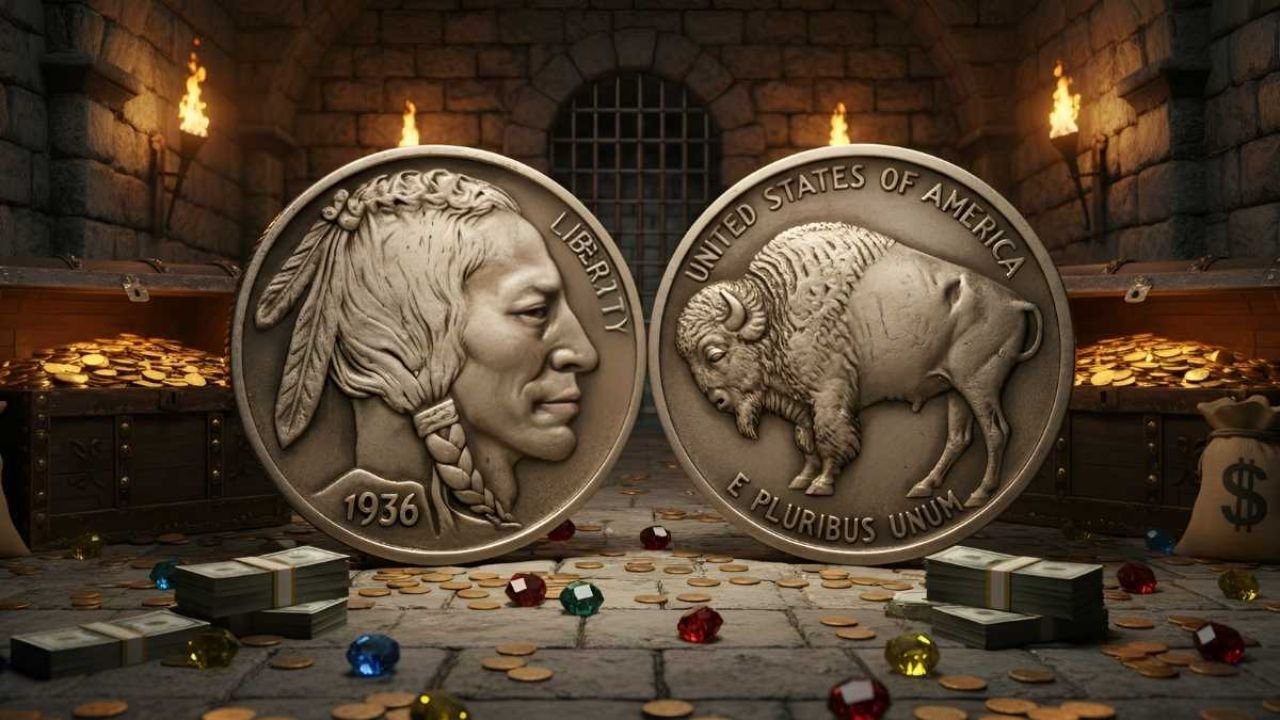
The Lincoln Wheat penny, minted between 1909 and 1958, remains one of the most iconic and sought-after coins in American numismatics. Its timeless design, featuring Abraham Lincoln on the obverse and two wheat stalks on the reverse, has made it a symbol of American history. In 2026, rare Wheat pennies continue to capture the attention of collectors worldwide, with certain varieties commanding impressive sums, ranging from thousands to hundreds of thousands of dollars.
A Brief History of the Wheat Penny
Introduced in 1909 to commemorate the centennial of Abraham Lincoln’s birth, the Wheat penny was groundbreaking as the first U.S. coin to feature a president’s portrait. Its design by Victor David Brenner reflected both elegance and simplicity, appealing to the public while marking a shift in American coinage aesthetics. Over nearly five decades, millions were minted, but scarcity in select years, combined with production errors, has created a treasure trove for collectors.
Why Wheat Pennies Are Valuable
Several factors influence the value of Wheat pennies:
- Mintage Numbers: Coins from low-production years are particularly rare and valuable.
- Mint Marks: Pennies minted in Denver (D) and San Francisco (S) are often scarcer than Philadelphia issues.
- Errors and Varieties: Doubled dies, missing mint marks, off-center strikes, and unusual planchets significantly enhance value.
- Condition: Coins graded Mint State (MS) command premiums far above circulated examples.
Collectors increasingly rely on professional grading services like PCGS and NGC to authenticate coins and assess value. Certified high-grade examples often sell for multiples of ungraded coins, making grading an essential part of modern numismatics.
22 Rare Wheat Pennies Collectors Seek in 2026
Some Wheat pennies have become legends in the collecting world due to rarity, historical significance, or minting errors. Key varieties sought after this year include:
- 1909-S VDB
- 1909-S
- 1914-D
- 1922 No D
- 1924-D
- 1931-S
- 1943 Copper
- 1943 Bronze Planchet Error
- 1944 Steel
- 1944-D Steel
- 1944-S Steel
- 1955 Doubled Die Obverse
- 1926-S
- 1911-S
- 1915-S
- 1917 Doubled Die Obverse
- 1925-D
- 1936 Doubled Die Obverse
- 1941-S Doubled Die Obverse
- 1946-S Over Mintmark Variety
- 1951-S RPM Variety
- 1958 Doubled Die Obverse

Each of these coins carries distinct characteristics that make them collectible. Some are prized for low mintage, while others are valued for rare production errors that occurred decades ago.
Million-Dollar Coins in 2026
Certain Wheat pennies continue to achieve astronomical auction results. High-grade 1909-S VDB and 1914-D coins often sell for tens of thousands of dollars, while the 1943 copper penny—a famous anomaly—can reach six-figure sums. Even more common dates, when preserved in pristine Mint State condition, are seeing significant appreciation, reflecting the ongoing demand for completing comprehensive sets.
Collector Frenzy and Market Trends
The market for Wheat pennies remains strong in 2026. Auction houses and online marketplaces report heightened activity, with collectors willing to pay premiums for coins with verified authenticity and superior condition. The trend reflects both a passion for numismatics and recognition of the coins’ long-term investment potential.
Hidden Treasures in Everyday Life

Part of the excitement in collecting Wheat pennies lies in the possibility of discovery. Rare coins are occasionally found in jars of change, inherited collections, or forgotten drawers, turning ordinary items into extraordinary finds. Stories of these discoveries continue to inspire both new and seasoned collectors, keeping the hobby vibrant.
Investment Potential of Wheat Pennies
Beyond their historical significance, Wheat pennies have proven to be solid investments. Rare varieties consistently appreciate in value, and the stability of demand ensures that collectors and investors alike can benefit from both enjoyment and financial reward. Beginners are encouraged to start with affordable circulated examples before gradually expanding their collections to include rarer, high-grade coins.
Conclusion
The Lincoln Wheat penny remains a cornerstone of American coin collecting, embodying history, artistry, and enduring value. In 2026, the 22 rare varieties highlighted continue to captivate collectors and investors, from the legendary 1909-S VDB to the elusive 1943 copper penny. For enthusiasts, collecting Wheat pennies is about more than monetary gain—it is a pursuit of preserving a tangible piece of America’s past, one coin at a time.
Whether discovered in a dusty attic, purchased at auction, or passed down as a family heirloom, each Wheat penny tells a story, making this classic coin a timeless treasure in the world of numismatics.