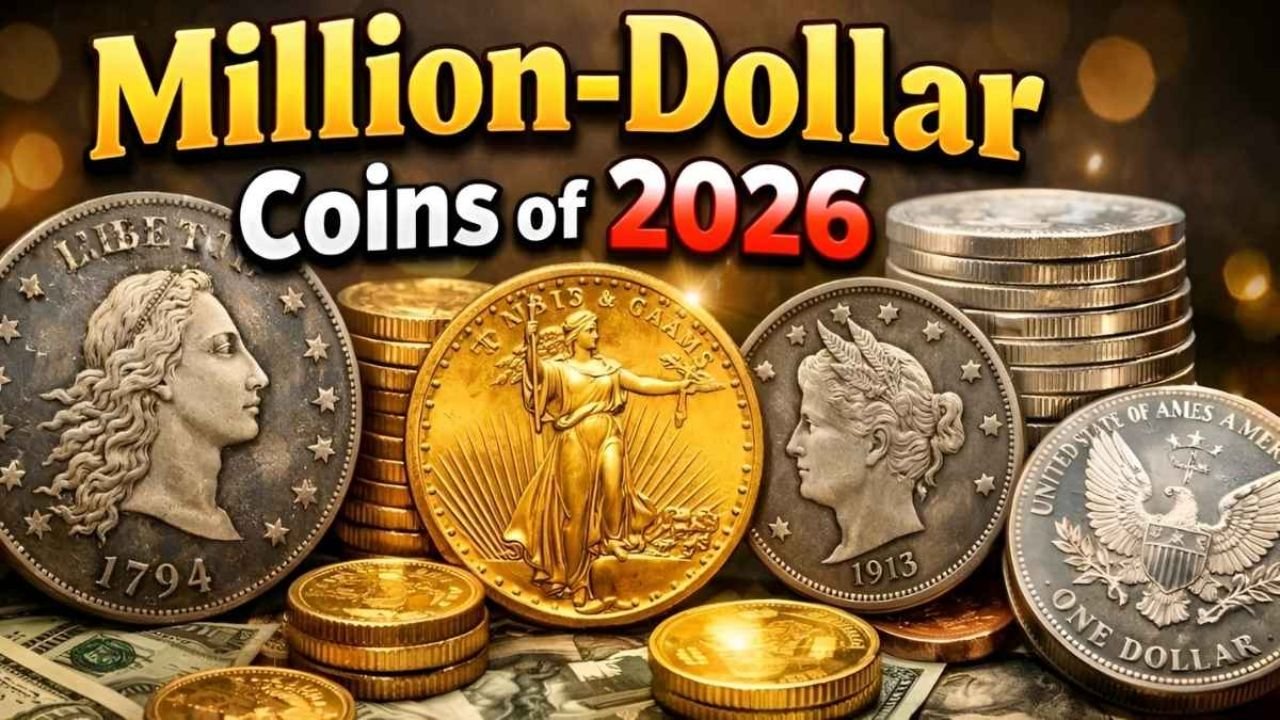
Coin collecting has always been a captivating intersection of history, artistry, and investment. In 2026, the fascination with rare and high-value coins continues to grow, with certain examples reaching staggering million-dollar valuations. These coins are treasured not only for their scarcity but also for the stories they embody, offering collectors a tangible connection to pivotal moments in monetary history. Understanding which coins hold extraordinary value—and why—is essential for navigating the intricate world of numismatics.
The Historical Significance of Million‑Dollar Coins
Million-dollar coins are far more than rare collectibles; they are historical artifacts. Many hail from landmark moments in minting history, such as the earliest American coinage, special commemoratives, or error strikes that survived the passage of time. Their rarity often arises from limited production runs, minting anomalies, or sheer survival against all odds, giving each piece a unique story and cultural weight.
For instance, early U.S. silver dollars and special commemorative coins provide a glimpse into the evolution of American currency, reflecting the economic, political, and technological shifts of their eras. Collectors prize these coins not just for financial gain, but for the opportunity to own a fragment of history.
Iconic Million‑Dollar Coins and Their Value
Certain coins have become legends in the collector world, consistently commanding multi-million-dollar prices at auctions.
1933 Double Eagle
The 1933 Double Eagle remains one of the most coveted coins in American history. Initially minted but never officially circulated due to the U.S. abandoning the gold standard, its rarity and legal intrigue have made it an enduring symbol of numismatic prestige.
1794 Flowing Hair Dollar

Believed to be among the first silver dollars struck by the United States Mint, the 1794 Flowing Hair Dollar commands attention for its historical importance and scarcity. Collectors view it as a foundational piece in any serious American coin collection.
1913 Liberty Head Nickel
With only five known examples in existence, the 1913 Liberty Head Nickel exemplifies scarcity-driven value. Each piece has achieved legendary status at auction, regularly fetching prices in the millions.
1943 Copper Penny
A striking anomaly from World War II, the 1943 Copper Penny was produced in error when most pennies were made from steel. These rare pieces, sometimes selling for hundreds of thousands, demonstrate how minting mistakes can create some of the most desirable coins.
Lincoln Wheat Penny (Rare Varieties)

Even a coin as seemingly common as the Lincoln Wheat Penny can achieve extraordinary value when rare minting errors or limited surviving specimens are involved, with some examples valued at over $500,000.
What Drives Collector Value
Several factors determine why a coin reaches million-dollar status:
Condition Matters
Coins graded at Mint State levels are exponentially more valuable than circulated examples. Preservation of detail, luster, and original finish can dramatically influence pricing.
Authentication is Essential
Certification by professional grading services, such as PCGS or NGC, ensures a coin’s authenticity. Without verified grading, even the rarest coin may struggle to achieve its market potential.
Provenance Enhances Worth
Coins with documented ownership histories—or ties to famous collections—often fetch higher prices. The story behind a coin can be just as compelling as the coin itself.
Error Coins Are Treasures
Minting anomalies, from doubled dies to incorrect planchets, elevate the desirability and value of certain coins. Collectors actively seek these irregularities, which are often the gateway to six-figure valuations.
Market Trends in 2026
The numismatic market in 2026 is robust. Rare coins continue to achieve record prices at auctions, both in-person and online. Global digital platforms have broadened participation, enabling collectors worldwide to bid on high-value pieces. Notably, younger enthusiasts are entering the field, drawn by stories of remarkable finds, social media showcases, and the tangible investment potential of rare coins.
Million‑Dollar Coins as Investments
Beyond their collectible appeal, these coins are considered long-term assets. Scarcity ensures enduring demand, while historical and cultural significance adds intrinsic value. Unlike volatile stock markets, certain coins have shown steady appreciation over decades, making them attractive to investors seeking tangible, inflation-resistant assets.
However, investing in coins requires knowledge and patience. Market trends fluctuate, and proper care—including secure storage and insurance—is essential to preserving both value and condition.
Secrets of Successful Collectors
Achieving success in high-value numismatics often comes down to strategy and diligence:
- Research Thoroughly: Understand mint marks, varieties, historical context, and market trends. Knowledge is the most powerful tool for valuation and acquisition.
- Network Widely: Relationships with dealers, auction houses, and fellow collectors create opportunities that aren’t always public.
- Preserve Carefully: High-value coins demand proper storage, handling, and climate control to maintain condition and value.
- Exercise Patience: Legendary coins rarely appear overnight. Collectors often spend years building a portfolio and waiting for rare finds to surface.
Conclusion
Million-dollar coins represent the pinnacle of numismatic collecting, embodying history, artistry, and investment potential. In 2026, the allure of these extraordinary pieces continues to captivate collectors worldwide, blending the thrill of discovery with the security of rare, tangible assets. For both seasoned numismatists and newcomers, understanding the factors behind rarity, value, and historical significance is essential for a rewarding collecting journey. Each coin tells a story, and with the right knowledge, collectors can navigate this fascinating world while securing treasures that may appreciate for generations.